
The allure of chance in gaming
The thrill of uncertainty is a powerful driving force behind many casino gaming choices. Players are drawn to the element of chance, which evokes excitement and adrenaline. Gamblers often report feelings of euphoria while playing, fueled by the possibility of winning big at an online casino instant withdrawal that offers immediate payouts. This psychological phenomenon can lead to a temporary escape from reality, as players immerse themselves in the game, forgetting their daily struggles and stressors. The unpredictability of outcomes can create a compelling environment where individuals feel alive and engaged, making gaming a popular pastime.
Moreover, the concept of ‘near misses’ can significantly influence a player’s decision-making process. Casinos are adept at designing games that create the illusion of being close to winning, which reinforces participation. For instance, when a player almost hits a jackpot, it can heighten their emotional investment, encouraging them to continue gambling. This can lead to a gambling cycle where players feel that they are on the verge of a win, maintaining their engagement with the game. Such experiences can be particularly enticing, as they foster a belief that a win is just around the corner.
Additionally, the randomness of games serves a dual purpose. On one hand, it attracts players who enjoy the unpredictability, while on the other, it allows casinos to manipulate player psychology. The use of sounds, lights, and other sensory stimuli in casino environments amplifies the emotional experience, making the gaming choice even more appealing. By creating an immersive atmosphere, casinos effectively turn chance into a powerful motivator, ensuring players return for more. This blend of psychological engagement and sensory overload keeps individuals coming back, hoping to replicate that exhilarating feeling of potential victory.
The influence of social interactions
Social dynamics play a significant role in the choices gamblers make. Many players enjoy the communal experience of gambling, often seeking the company of friends or fellow players. This social interaction enhances the enjoyment of the game, turning it into a shared experience rather than a solitary endeavor. The ability to celebrate wins and commiserate over losses creates a sense of camaraderie that strengthens the bond between players. The collective atmosphere can ignite competitive spirits, driving players to participate more actively in gameplay.
Additionally, the presence of other players can influence individual behavior and decision-making. Observing others’ betting patterns or reactions can lead to a bandwagon effect, where individuals may feel compelled to join in or mirror those around them. This social pressure can result in increased betting amounts or more reckless behavior, as players seek validation or approval from their peers. Casinos capitalize on this aspect by creating spaces that encourage socialization, such as communal table games and interactive slots, fostering an environment where collective energy can amplify individual gaming choices.

Furthermore, the psychological impact of social comparison cannot be overlooked. Players often gauge their success or failure in relation to others, which can significantly affect their gaming choices. If they perceive themselves as losing less than their peers or if they witness someone winning large sums, they may be driven to continue playing in hopes of achieving similar results. This competitive aspect of gaming choices fosters a unique environment where self-esteem and social perceptions intertwine, ultimately impacting how players engage with the casino experience. The interaction among players forms a rich tapestry of motivations that influence individual decisions.
The role of cognitive biases
Cognitive biases significantly shape the decisions players make in casinos. For instance, the gambler’s fallacy—the belief that past events influence future outcomes—can lead players to believe that they are due for a win after a series of losses. This cognitive distortion may prompt individuals to increase their bets, convinced that luck must eventually shift in their favor. Such biases can cloud judgment, leading to irrational decisions that can have significant financial implications. Understanding this fallacy is crucial for recognizing how it may drive players to continue gambling despite mounting losses.
Another common cognitive bias is the illusion of control, where players feel they have a say in the outcome of games that are fundamentally random. For example, in games like blackjack or poker, players may believe that their skills can influence the game’s outcome. This perception can lead to overconfidence, prompting individuals to take risks that they may otherwise avoid. Casinos take advantage of these biases by promoting games that amplify the illusion of control, persuading players to wager more than they typically would. This manipulation of perception can lead to an environment where players feel empowered, only to find themselves caught in a cycle of loss.
Moreover, confirmation bias plays a role in reinforcing gambling behaviors. Players tend to remember their wins more vividly than their losses, creating a skewed perception of their overall success. This selective memory can lead to continued gambling, as players convince themselves they are lucky or skilled, despite evidence to the contrary. Understanding these cognitive biases can provide valuable insights into the psychology behind gaming choices, revealing the complex motivations at play in a casino environment. By recognizing these biases, players can better navigate their gambling experiences and make more informed decisions.
The impact of marketing and design
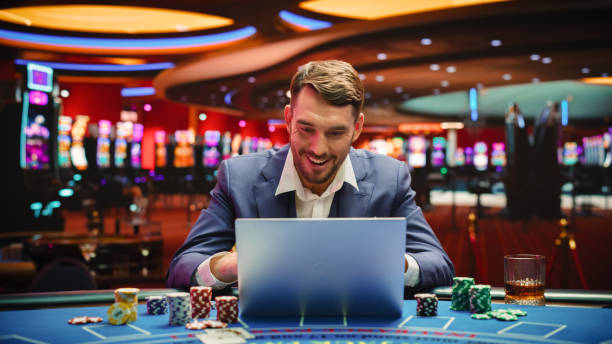
Casino marketing strategies and design concepts are meticulously crafted to attract and retain players. The ambiance of a casino—the lighting, layout, and décor—is designed to create an enticing environment that feels exciting and luxurious. For instance, the use of vibrant colors and engaging sounds can evoke feelings of excitement and urgency, drawing players to the gaming tables and slots. This sensory stimulation is a carefully considered aspect of casino design, aimed at enhancing the overall experience while minimizing distractions. The carefully curated environment encourages players to lose track of time and become fully immersed in the gaming experience.
Moreover, loyalty programs and promotional offers also play a pivotal role in influencing gaming choices. These incentives tap into the psychological principle of reciprocity, where players feel compelled to return to the casino to take advantage of special promotions or rewards. By offering perks such as free play, meals, or accommodations, casinos can effectively keep players engaged, encouraging them to wager more frequently. This strategic approach fosters a sense of belonging, prompting players to identify with the casino brand and return for further experiences. The more players feel valued, the more likely they are to continue their gaming journey.
Additionally, the positioning of games within the casino can guide player choices. High-stakes games are often located in more opulent areas, which suggests exclusivity and attracts a particular demographic. Conversely, slot machines are strategically placed near entrances and pathways to capture the attention of passersby. This careful consideration of design and layout ensures that casinos optimize foot traffic and maximize gaming participation, reflecting the deliberate psychological strategies at work in casino marketing. By understanding these design elements, players can better appreciate the tactics employed to enhance their gaming experience.
Insights into gambling behavior and choices
Understanding the psychology behind casino gaming choices offers insights into behavioral patterns that can help players make more informed decisions. By recognizing the emotional motivations, social influences, and cognitive biases at play, individuals can approach gambling with a more mindful perspective. Developing awareness of these psychological factors can aid players in managing their gambling activities better and avoiding potential pitfalls, ultimately fostering a healthier relationship with gaming. This conscious awareness can empower players to make choices that align with their personal values and financial goals.
Additionally, resources and support are available for those seeking to understand their gambling tendencies further. Websites and organizations dedicated to responsible gambling provide information on recognizing problematic behaviors and implementing strategies to ensure a balanced approach. By promoting awareness and education surrounding gambling psychology, these resources empower individuals to make choices that align with their values and wellbeing. Engaging with these resources can help players establish boundaries and foster a more sustainable gambling experience.
In conclusion, exploring the psychology behind casino gaming choices reveals a complex interplay of emotions, social factors, cognitive biases, and environmental influences. Armed with this knowledge, players can navigate the gaming landscape with a greater understanding of their motivations and decisions, leading to a more rewarding experience in the world of casinos. Recognizing the multifaceted nature of gaming choices can enhance one’s enjoyment and help cultivate a more responsible approach to gambling, ultimately enriching the overall gaming experience.